Dad and Son Papercut Light Box Design Review
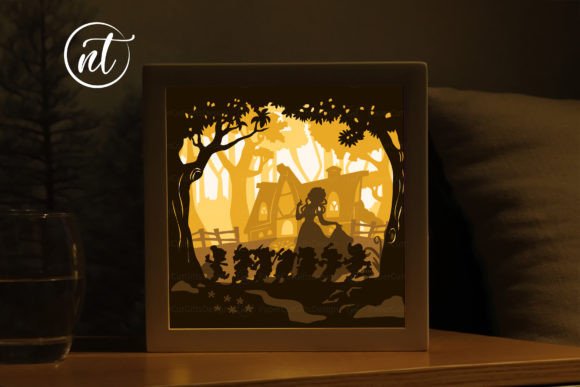
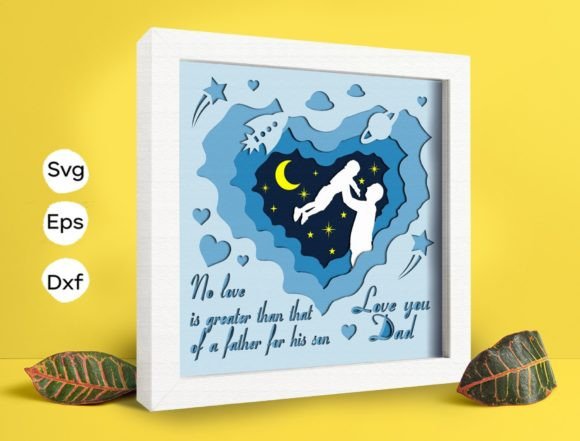
As a designer who has spent years navigating the fine line between digital assets and physical handmade products, I approach every new design with a critical eye. When I first opened the Dad and Son Papercut Light Box file, my initial reaction was one of cautious optimism. This isn't just another generic silhouette; it carries a specific emotional weight that resonates deeply in the current market for personalized gifts. The design is categorized under Shadow Boxes and marketed as a 3D SVG, which immediately signals a layered aesthetic intended to create depth through cut layers or stacked embroidery techniques.
The mood this design evokes is warm, nostalgic, and distinctly familial. Visually, the layout relies on clean lines and interlocking shapes that suggest movement and connection between the father and child figures. For an embroidery project, this translates to a challenge: how do we capture that papercut elegance using thread? The visual personality is bold yet delicate, making it perfect for high-impact items where the design needs to stand out without overwhelming the fabric.
Evaluating Real-World Application in Custom Apparel
Let's imagine a real-life scenario. A client approaches me wanting a custom embroidered sweatshirt for Father's Day. They want something that feels boutique-quality, not mass-produced. I pull up the Dad and Son Papercut Light Box design to see if it can translate from a digital vector to a stitched reality. The first thing I notice is the potential for a stunning fill stitch application. If I use a dense satin stitch for the outlines and a textured fill for the interior, I can mimic the shadow play inherent in the original papercut concept.
However, moving from a screen to a garment requires careful planning. On a heavy cotton sweatshirt, this design would likely perform exceptionally well. The structure of the figures allows for a balanced distribution of stitches, preventing the fabric from puckering too much. But what about a lighter tote bag design? Here, the density becomes a concern. If the stitch density is too high, the thin canvas might warp. I would need to adjust the settings in my machine embroidery software, perhaps reducing the number of rows in the fill areas to maintain the integrity of the material while keeping the image recognizable.
For small shop product owners looking to expand their inventory, this design offers versatility. It could work beautifully as an embroidered patch sewn onto denim jackets or backpacks. The distinct shapes of the father and son figures hold up well even when scaled down, provided the smallest details are not lost in translation. In a nursery setting, this could be adapted for baby embroidery projects, such as a pillow cover or a blanket corner accent, though I would recommend simplifying the finest lines to ensure longevity after washing.
Navigating Technical Challenges and Fabric Constraints
While the Dad and Son Papercut Light Box is visually appealing, it is not without its technical hurdles. One of the most critical factors in any machine embroidery design is the hoop size. This particular design features elongated proportions due to the standing figures. If you attempt to fit this into a small 4x4 inch hoop, you will likely have to break the design into multiple sections, which can lead to alignment issues and visible seams in the final product. Always verify the dimensions against your hoop capabilities before committing to a project.
Fabric texture also plays a significant role. On smooth fabrics like twill or poplin, the intricate details of the papercut style will shine. However, on textured fabrics like fleece or thick wool, the smaller internal details might get lost in the pile of the material. In such cases, relying on strong contrast in thread colors becomes essential to define the edges. Dark fabrics present another challenge; without a proper backing or stabilizer, the design may appear muddy. I always advise testing the design on scrap fabric first, especially when working with dark backgrounds, to ensure the white or light-colored threads provide enough definition.
Curved surfaces, such as caps or hats, require special attention. The vertical nature of the figures in the Dad and Son Papercut Light Box might distort if placed on a curved bill. It is often better suited for flat panels on apparel, like the chest of a t-shirt or the front of an apron. Additionally, products that undergo frequent washing, such as kitchen towels or baby clothes, demand a robust stabilizer choice. Tear-away stabilizers might not suffice for detailed areas; a cut-away option would ensure the design remains crisp over time.
Maximizing Value for Craft Businesses and Etsy Sellers
For the Etsy seller or creative entrepreneur, the value of a design lies not just in its aesthetics but in its ability to drive sales and build brand consistency. The Dad and Son Papercut Light Box has strong giftability. It taps into the universal theme of family bonding, making it a prime candidate for holiday embroidery collections or personalized gift bundles. Customers looking for unique, handmade items are willing to pay a premium for designs that tell a story.
To maximize the perceived value, consider how you present the finished product. High-quality printable mockups can help showcase the design before stitching, allowing customers to visualize the end result. When listing these items, emphasize the craftsmanship involved. Mentioning that the design was carefully digitized and tested for optimal stitch clarity adds a layer of professionalism that builds customer trust.
This design also serves as an excellent asset for commercial embroidery projects. Boutique branding could incorporate elements of the design into staff uniforms or promotional merchandise. The clean lines make it adaptable for various color schemes, allowing businesses to align the design with their existing brand palette. However, before selling finished items or offering the design as a digital download, always confirm the licensing terms. Ensure you have the right to use the digital embroidery file for commercial purposes to avoid legal complications.
Practical Designer Notes for Success
If you decide to integrate the Dad and Son Papercut Light Box into your workflow, here are a few practical steps to ensure success:
- Test First: Always run a test on scrap fabric to check for registration issues and thread tension.
- Check Contrast: Experiment with different thread colors to find the combination that best highlights the papercut effect.
- Review Density: Adjust the fill stitch density based on the fabric weight to prevent puckering.
- Confirm Hoop Size: Measure the design dimensions against your available hoops to determine if splitting is necessary.
- Inspect Details: Zoom in on the smallest parts of the design to ensure they won't disappear during stitching.
- Use Proper Stabilizer: Select a stabilizer appropriate for the fabric type and design complexity.
- Verify Licensing: Double-check the usage rights for both personal and commercial embroidery applications.
In conclusion, the Dad and Son Papercut Light Box is a versatile and emotionally resonant design that holds significant potential for handmade products and custom apparel. While it requires careful consideration of fabric, hoop size, and stitch settings, the payoff in terms of visual appeal and customer satisfaction is substantial. By approaching this embroidery project with a strategic mindset and a focus on quality, designers can create standout pieces that truly connect with their audience. Whether you are crafting a single personalized gift or building a line of small shop product offerings, this design offers a solid foundation for creative expression.