Fairy Moon Shadow Box: A Designer's Review
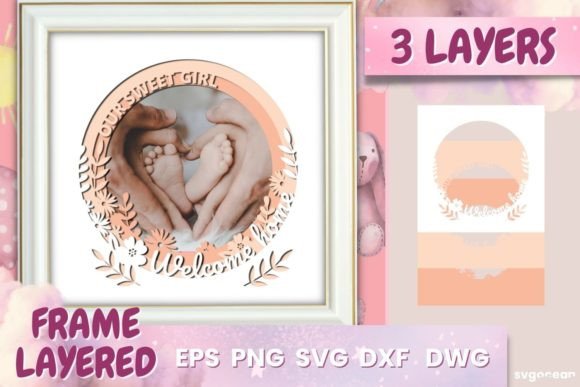
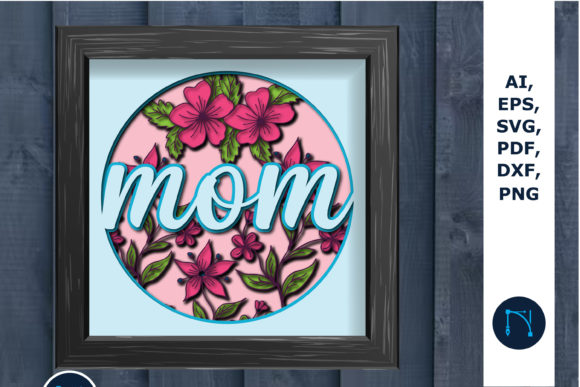
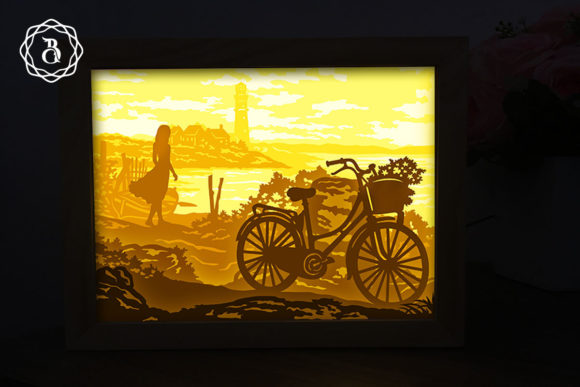
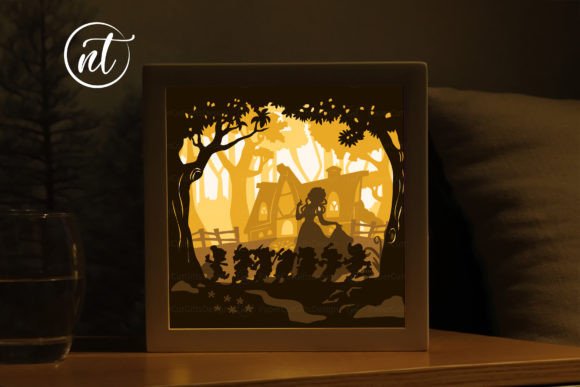
As someone who has spent years navigating the intersection of digital design and tangible thread, I approach every new asset with a critical eye. When I first encountered the Fairy Moon Shadow Box, my immediate reaction wasn't just about the visual aesthetic; it was about the structural potential for creating depth in a flat medium. This isn't just another whimsical graphic; it is a concept built on layering. The description highlights that this piece is created by gluing several layers of paper together, inserting 5mm foam board between each to create distance. While this sounds like a papercraft tutorial, the implications for us as embroidery designers are profound. It suggests a design philosophy where depth and dimension are paramount.
The Mood and Visual Personality
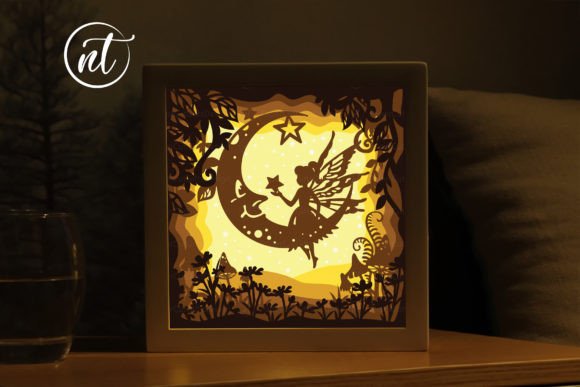
At first glance, the Fairy Moon Shadow Box exudes a magical, ethereal quality. The combination of a fairy figure against a moon backdrop creates a classic fantasy theme that never truly goes out of style. However, what sets this apart is the implied three-dimensional structure. In the world of machine embroidery design, achieving true 3D effects usually requires complex stitching techniques or heavy padding. This design challenges us to think differently about how we translate "layers" into stitches. The layout feels balanced, offering a focal point that draws the eye inward, perfect for a personalized gift or a standout piece in a boutique collection.
The visual personality is delicate yet structured. It doesn't scream for attention through loud colors but rather invites the viewer to look closer at the details. For an Etsy seller or a small shop owner, this kind of subtlety can be a major selling point. Customers looking for nursery decor or holiday gifts often seek something that feels handcrafted and thoughtful, not mass-produced. The Fairy Moon Shadow Box fits that narrative perfectly, promising a finished product that feels special and unique.
Translating Layers to Stitchery
Here is where the real work begins. The core concept of using foam boards to create space in a physical shadow box translates to our hoops as a need for careful stitch density management. If you are planning to use this as an embroidery file for a custom apparel project, such as a sweatshirt or a tote bag, you must consider how to replicate that "lift." You cannot simply run a standard fill stitch and expect the same impact as the layered paper version.
In a real-life scenario, imagine preparing a custom embroidered tote bag for a local craft fair. The fabric is sturdy canvas, which holds up well to heavier designs. If I were executing the Fairy Moon Shadow Box here, I would focus on using satin stitch for the outlines of the fairy and the moon to give them definition, while using a textured fill stitch for the background elements to simulate the depth of the layers. The goal is to make the design pop off the fabric without making the backside so dense that it becomes stiff and uncomfortable.
For custom apparel like baby clothes or aprons, the stakes are higher regarding comfort. The design needs to be soft enough to wear but detailed enough to impress. The Fairy Moon Shadow Box works beautifully here if you adjust the scale. On a baby onesie, you might simplify the inner layers, focusing on the silhouette to ensure the fabric remains breathable. On an apron, you have more room to play with the full complexity of the design, perhaps even adding a touch of applique design techniques to physically layer fabric pieces before stitching over them, mimicking the original paper construction.
Navigating Fabric and Hoop Challenges
Not every surface is created equal, and this is where experience matters. The Fairy Moon Shadow Box, with its intricate layering, demands respect for your materials. If you attempt this on thin or stretchy fabric, you risk distortion. The tension required to hold the layers together in a digital embroidery file can pull the fabric, ruining the shape of the moon or the fairy's wings. Always use a high-quality stabilizer. For knits, a tear-away stabilizer might not be enough; a cut-away is essential to maintain the integrity of the design after washing.
Dark fabrics present another hurdle. The magic of a shadow box relies on light and shadow. If you embroider this on black denim without careful thread colors selection, the subtle layers will disappear. You may need to add a base layer of white or light-colored stitching underneath the main design to make the details visible. Similarly, textured fabrics like fleece or heavy wool can interfere with the fine details of the fairy. In these cases, simplifying the design or increasing the hoop size to allow for larger, bolder stitches is a practical move.
Be cautious with curved surfaces like caps. The rigid nature of the layered concept in the Fairy Moon Shadow Box does not always translate well to the dome of a hat. The design might warp or pucker. If you must use it on a cap, test it thoroughly on scrap fabric first. Ensure that the running stitch and outline stitches are tight enough to prevent fraying but loose enough to accommodate the curve.
Business Value and Commercial Application
From a business perspective, the Fairy Moon Shadow Box is a strong asset for commercial embroidery. It appeals to a wide demographic, from parents buying nursery items to adults seeking home decor. The design's versatility allows it to be used across various product lines, from pillow covers to tea towels. This consistency helps build brand recognition for your craft business.
When listing this as a small shop product, the presentation is key. Use printable mockups to show customers how the design looks on different items. Show it on a dark hoodie, a light tote bag, and a framed hoop art piece. This variety demonstrates the design's adaptability and increases buyer engagement. Customers want to see exactly what they are getting, especially when purchasing a handmade product online. Clear visuals build trust and reduce return rates.
However, always confirm licensing before selling finished items or digital products. Just because you own the file doesn't mean you can sell the design itself. Check the terms to ensure you are allowed to sell the embroidered goods. This protects your business and maintains professionalism in the marketplace.
Practical Designer Notes for Success
Before committing to a final production run, follow these steps to ensure the Fairy Moon Shadow Box performs as expected:
- Test on Scrap Fabric: Never skip this step. Run the design on a piece of the actual fabric you plan to use. Check for puckering, skipped stitches, or thread breakage.
- Check Thread Contrast: Ensure the thread colors stand out against the background fabric. Low contrast can hide the beautiful layering effect.
- Review Stitch Density: Look at the back of the test stitch-out. If it looks like a solid block of thread, the density is too high. Reduce it to keep the fabric flexible.
- Confirm Hoop Size: Make sure the design fits comfortably within your hoop with some margin for error. Crowding the edges can lead to misalignment.
- Inspect Small Details: Zoom in on the fairy's wings and the moon's craters. Are the details clear, or do they blur together? Adjust settings if necessary.
- Use Proper Stabilizer: Match the stabilizer weight to the fabric weight. Heavy fabric needs heavy support.
- Compare Light and Dark Backgrounds: Test the design on both to see how the color palette performs in different lighting conditions.
The Fairy Moon Shadow Box offers a unique opportunity to bring depth and magic into your embroidery projects. By understanding its structural origins and adapting it thoughtfully to the constraints of thread and fabric, you can create stunning pieces that resonate with customers. Whether you are a hobbyist making a holiday gift or a professional running a thriving Etsy store, this design has the potential to elevate your work. Just remember: the best results come from preparation, testing, and a keen eye for detail.