Mug Box Template: 3D SVG Shapes Review
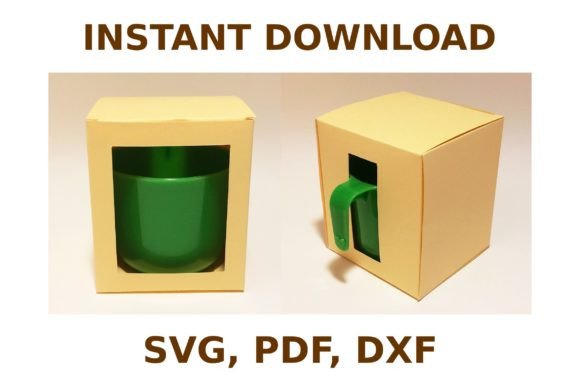
I recently received a request from a local artisan coffee roaster to redesign their packaging for a seasonal holiday collection. The client wanted something that felt premium yet approachable, with a clear emphasis on the product inside. As I began browsing through my library of graphic design assets, I landed on the Mug Box Template. This isn't just another generic file; it is a specific 3D SVG solution designed to solve a very common problem in packaging design: how to visualize a three-dimensional object in a two-dimensional layout without losing structural integrity.
First Impressions and Visual Mood
Opening the Mug Box Template immediately signals professionalism. Unlike many flat vector illustrations found in the creative marketplace, this asset understands perspective. It creates a mood of tangible quality. When you are working on brand identity for a handmade business, the difference between a flat icon and a realistic box structure can define whether a customer perceives the product as a cheap novelty or a giftable luxury. The visual elements here feel grounded and sturdy. It represents a style that bridges the gap between technical precision and artistic flair, making it an ideal fit for clients launching a boutique product line or a seasonal campaign where presentation is paramount.
Performance in Real Design Situations
In my workflow, I often need to create product mockups quickly to present concepts to clients before physical prototypes are made. The Mug Box Template excels here. I tested it within a logo design context for the coffee brand, placing their emblem directly onto the front face of the box. Because the template is built with clean geometry, the logo sat perfectly without distortion. This is crucial for marketing visuals where brand recognition must be instant.
Beyond packaging, I explored its utility in other areas. For social media graphics, specifically Instagram posts announcing the new launch, the template provided a focal point that drew the eye immediately. It worked beautifully as a hero graphic for a landing page in web design. I also considered using it for print-on-demand sellers who might want to sell digital plans for custom boxes. The versatility extends to editorial design for lifestyle blogs, where showing the actual packaging adds authenticity to a review or feature story. Even for Cricut projects, where users might cut out decorative elements to place on real boxes, the underlying structure provides a perfect guide.
Where the Asset Shines Brightest
The Mug Box Template performs best when given space to breathe. In large layout areas, such as a full-page flyer or a website banner, the depth cues of the Shapes become apparent, adding a layer of sophistication. It is particularly effective for themed collections where consistency is key. If you are designing a series of products—mugs, jars, and tins—using this template ensures that every item looks like it belongs to the same family.
It is also a powerhouse for commercial design presentations. When pitching to a small business owner, showing them their branding on a realistic 3D box via this template builds immediate trust. It helps them visualize the final result, which significantly increases the likelihood of project approval. For sticker design overlays or t-shirt design accents where a "packaged" look is desired, this asset provides the necessary structural base.
Areas Requiring Careful Consideration
However, not every situation calls for this level of detail. Designers should use the Mug Box Template carefully in crowded layouts. If the surrounding design is already dense with text and imagery, the complexity of the box structure might compete for attention, disrupting the visual hierarchy. Similarly, in minimalist branding projects that rely on extreme simplicity, the 3D effect might feel too heavy or industrial.
Another area of caution is low-contrast designs. If the background color is too similar to the box outline, the depth illusion collapses, and the image may appear flat or muddy. This is less of an issue with modern design trends that favor bold contrasts, but it requires vigilance. Furthermore, for professional corporate materials that demand strict adherence to a rigid grid system, the organic feel of a 3D rendering might clash unless styled very deliberately.
Impact on Brand Consistency and Trust
Using high-quality assets like the Mug Box Template directly impacts visual trust. A client looking at a proposal sees a polished, finished concept rather than a rough sketch. This elevates the perceived value of the designer's work. It enhances emotional appeal by making the product feel desirable and ready to purchase. In the realm of small business branding, these details separate amateur efforts from professional campaigns. The asset supports audience engagement by making the product instantly recognizable and appealing across various platforms, from Pinterest pins to email newsletters.
Practical Designer Notes and Workflow Tips
Before committing this asset to a client project, I always run a few practical tests. First, I convert the design to black and white to ensure the lines hold up without relying on color. Next, I check the contrast on both light and dark backgrounds to guarantee readability. I also preview the template at very small sizes, such as a mobile app icon, to see if the details remain legible.
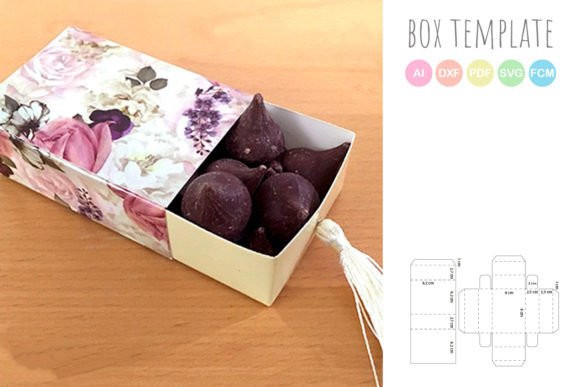
Since the Mug Box Template comes as a ZIP archive containing SVG, DXF, and PDF files, it offers significant flexibility. The SVG format is essential for scalability, allowing me to resize the box without losing quality for large-format printing. The DXF compatibility makes it a viable option for those using Silhouette or Cricut machines for physical prototyping. However, keep in mind that measurements depend on paper size, so always verify dimensions against your specific print requirements.
I also recommend placing the template on real mockups to see how it interacts with lighting and shadows in a composite image. If you are pairing this with typography, compare it against various font styles. A serif font might give it a classic, established feel, while a sans-serif font could make it look more modern and tech-forward. Script or handwritten fonts add a personal touch suitable for handmade goods, while display fonts grab attention for promotional events.
Finally, always confirm the commercial licensing before using any digital product for a paying client. Ensure the license covers Etsy products, merchandise, and unlimited end-use copies. All templates in this bundle have been tested for quality, which saves hours of troubleshooting during the production phase. By integrating the Mug Box Template into your toolkit, you gain a reliable resource for creating compelling design bundles and delivering exceptional results for your clients.