Holder Box Template for Sweets Review
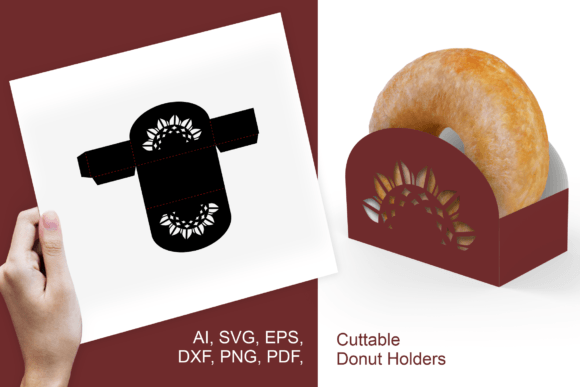
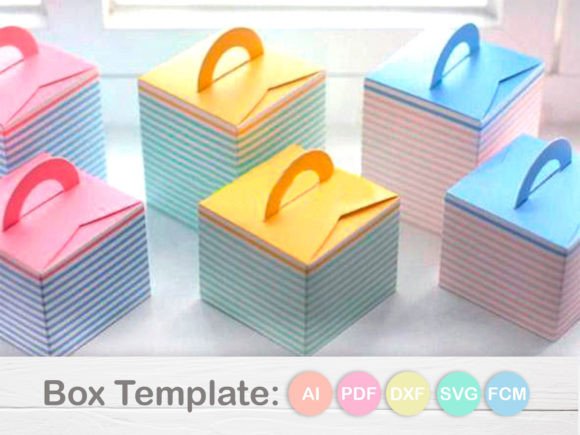
As a designer who has spent years navigating the intersection of digital assets and physical thread, I approach every new file with a mix of excitement and skepticism. The market is flooded with generic shapes that look perfect on a screen but fall apart under the needle. When I first opened the Holder Box Template for Sweets, my immediate goal was to determine if this was just another decorative graphic or a functional tool ready for real-world production. This template belongs to the Shapes category, specifically marketed as a 3D SVG, which immediately signals a focus on dimensionality rather than flat line art. For anyone running a craft business or looking to elevate their handmade product line, understanding how this design translates from a digital file to a stitched reality is crucial.
First Impressions: Mood and Visual Personality
The visual language of the Holder Box Template for Sweets is clean, structured, and inherently inviting. It evokes the feeling of a boutique confectionery shop where presentation is just as important as the contents. Unlike chaotic or overly ornate designs that can get lost in dense stitching, this template relies on strong geometric lines to create a sense of order. In a professional embroidery context, this clarity is a massive advantage. When you are designing for custom apparel or creating a personalized gift, you want the motif to stand out without competing with the fabric texture.
The 3D aspect of the SVG suggests depth, which is vital when planning your stitch types. A flat box might look like a simple outline, but a 3D interpretation invites the use of satin stitches for edges and fill stitches for the sides to create a pop-out effect. This visual personality makes it an excellent candidate for holiday embroidery projects, wedding favors, or even branding for a small shop selling gourmet treats. It feels premium, suggesting that the finished product inside the box—or the box itself—is of high quality.
Real-World Application: From Screen to Fabric
Let’s move beyond the mockup and talk about actual application. Imagine you are preparing a collection of embroidered tote bags for a local artisan fair. You need a design that looks professional but doesn't require hours of digitizing. The Holder Box Template for Sweets fits perfectly here. I envision using this design on a sturdy canvas tote bag, perhaps in a neutral cream color with contrasting thread colors to highlight the 3D structure. The result would be a tote that looks like a branded accessory rather than a cheap promotional item.
For those focusing on baby embroidery, this template offers a charming way to create personalized gifts. Picture a soft cotton onesie or a plush blanket where the box shape holds a tiny heart or a monogram. Because the shape is defined by clear boundaries, it works exceptionally well as a base for applique design. You could cut the box shape from felt or velvet, secure it with a running stitch or tack-down, and then add satin stitch details on top. This layering technique adds texture and value, making the handmade product feel more substantial and luxurious to the customer.
Another strong use case is in the creation of embroidered patches. If you are an Etsy seller looking to expand your inventory with wearable accessories, this template provides a solid foundation. Patches require distinct outlines so they can be easily cut and sewn onto denim jackets, sweatshirts, or caps. The Holder Box Template for Sweets provides that necessary definition. When placed on a dark fabric like a navy sweatshirt, the contrast becomes striking, ensuring the design remains visible and impactful even after multiple washes.
Navigating Technical Challenges and Limitations
While the design is versatile, a professional designer knows that no file is universally perfect without adjustment. There are specific scenarios where the Holder Box Template for Sweets requires careful handling. First, consider small hoop sizes. If you attempt to fit this design into a very compact hoop, the corners of the box may lose their sharpness, resulting in rounded edges that defeat the purpose of the 3D effect. Always check your machine's capabilities and ensure the design is scaled appropriately before committing to expensive fabric.
Fabric texture is another critical factor. On highly textured materials like heavy wool or thick terry cloth, the fine details of the box's perspective lines might get swallowed by the pile of the fabric. In these cases, increasing the stitch density slightly or opting for a bolder thread weight can help maintain visibility. Conversely, on thin or stretchy fabrics, such as jersey knit used for custom apparel, the tension of the embroidery can cause puckering around the rigid angles of the box. Using a proper stabilizer is non-negotiable here to keep the finished product flat and professional.
Dark fabrics also present a unique challenge. While the design looks great on light backgrounds, embroidering a complex 3D shape on black fabric requires a different approach to thread colors. You cannot rely on white thread alone; you will likely need a backing layer of a lighter fill stitch to make the darker threads pop. Always test your design in black and white mockups first to gauge contrast before purchasing thread.
Maximizing Value for Your Craft Business
For small business owners and creative entrepreneurs, the true value of the Holder Box Template for Sweets lies in its versatility as a commercial embroidery asset. Whether you are selling the physical items or offering the digital embroidery file to other makers, the design supports brand consistency. Its clean lines allow it to adapt to various color schemes, making it easy to match seasonal trends or specific client requests.
When preparing your listings on platforms like Etsy, high-quality printable mockups featuring this design can significantly boost buyer engagement. Showcasing the template on a variety of products—from kitchen towels to pillow covers—demonstrates the range of possibilities. However, always confirm licensing terms before selling finished items or reselling the digital files. Ensure that the license allows for commercial use in your specific niche, whether that is a boutique clothing line or a digital download shop.
Practical Designer Notes for Success
To get the most out of this machine embroidery design, follow these practical steps. First, always test the design on scrap fabric that matches your final project material. This allows you to check thread color contrast and review stitch density without risking a ruined garment. Inspect the small details closely; sometimes, what looks crisp on a monitor needs minor adjustments in the software to prevent thread breaks or skipped stitches.
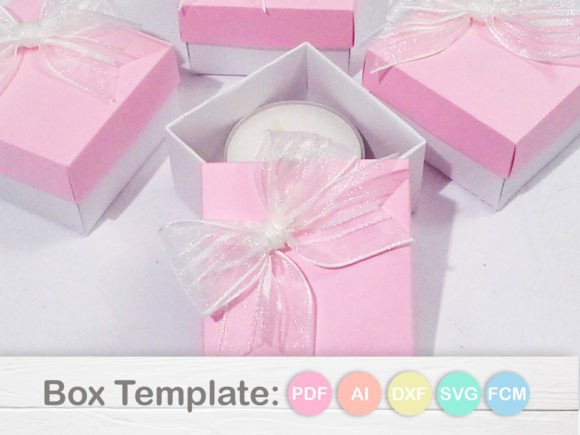
Since the package includes formats like AI, SVG, DXF, FCM, and PDF, you have flexibility depending on your workflow. If you are using a Scan N Cut machine, importing the "fcm" file directly into the Canvas Work Space streamlines the process. However, if you decide to use the "svg" file instead of the fcm, be aware that you will likely need to adjust settings within your cutting software to ensure the lines are recognized correctly for cutting or tracing.
Finally, think about the end user. Will this be a holiday gift that needs to survive wrapping? Is it a piece of nursery decor that must be gentle on a baby's skin? The Holder Box Template for Sweets is a robust starting point, but your expertise in selecting the right stabilizer, thread, and fabric is what transforms a digital file into a cherished, tangible object. By treating this template as a collaborative partner in your design process rather than a plug-and-play solution, you ensure that every stitch contributes to a finished product that commands respect and trust.