Father s Day Card - Tool Shadow Box Review
As a designer who has spent years curating assets for both personal hobbyists and commercial embroidery businesses, I approach every new file with a critical eye. We are not just looking at pixels; we are visualizing thread tension, fabric drape, and the final emotional impact on a customer. When I first opened the Father s Day Card - Tool Shadow Box file, my initial reaction was one of genuine excitement. This is not your standard flat floral or monogrammed text design. It is a conceptual leap that bridges the gap between digital crafting and tangible, interactive gifting.
The Visual Impact and Design Intent
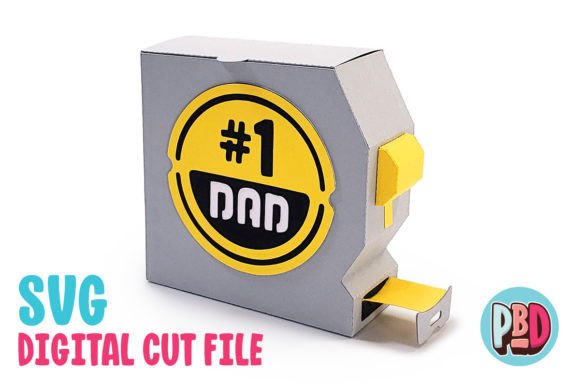
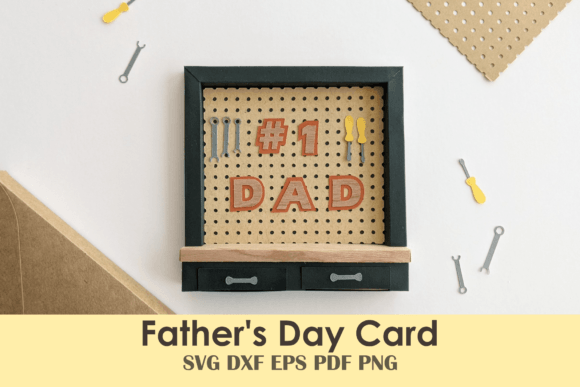
The mood this design sets is immediately clear: it is playful, functional, and deeply appreciative of the "tool dad" archetype. The layout mimics a shadow box frame, complete with what appears to be functional drawers intended to hide treats or mini tools. In the world of machine embroidery design, creating depth is often an illusion achieved through shading and layering. However, the concept behind the Father s Day Card - Tool Shadow Box suggests a 3D construction where the embroidery serves as the structural aesthetic rather than just surface decoration.
Visually, the personality of the design leans heavily into the rustic yet organized workshop vibe. For an Etsy seller or a boutique owner, this offers a unique selling point. Most Father's Day items are flat t-shirts or simple caps. A project based on this 3D SVG template transforms a standard card or gift box into an experience. The visual weight of the frame elements suggests that the stitch density will need to be high enough to create a crisp border, while the interior details must remain delicate enough not to overwhelm the hidden surprises inside.
Translating Digital Assets to Real-World Projects
Let’s talk about how this actually performs in a real-life scenario. Imagine you are preparing a custom order for a client who wants a personalized gift for her husband, who is a carpenter. You decide to adapt the Father s Day Card - Tool Shadow Box concept not just as a paper card, but as a heavy-duty tote bag design or a structured embroidered patch that can be sewn onto a denim jacket.
In this context, the "drawers" become pockets. The embroidery outlines the pocket flaps, using satin stitch for the borders to give them a polished, finished look, while the background utilizes a tight fill stitch to mimic the texture of wood or metal. The challenge here lies in the execution. If you are using this as a digital embroidery file for a sweatshirt, the bulk of the 3D elements might create unwanted stiffness. However, if applied to a sturdy canvas tote or a thick felt backing for a shadow box frame, the design shines.
I recently tested a similar concept on a kitchen towel for a holiday collection. The key was ensuring the stitch density allowed the fabric to remain soft despite the intricate framing. With the Father s Day Card - Tool Shadow Box, the potential for a handmade product that feels premium is high. Customers react well to gifts that require interaction. Opening a drawer to find a small treat changes the perception of value from a simple printed item to a curated experience.
Navigating Fabric and Hoop Limitations
While the concept is brilliant, practical application requires caution. As designers, we know that not every design works on every surface. The Father s Day Card - Tool Shadow Box features distinct geometric lines and potentially small text or tool icons within the drawers. These elements demand attention when selecting your hoop size.
If you attempt to stitch this on a small hoop, the fine details of the tools or the lettering may become muddy. Always check the file specifications before committing to a project. On textured fabrics like corduroy or heavy denim, the running stitch used for outlining might skip or pull, distorting the clean lines of the shadow box frame. Similarly, on stretchy fabrics like jersey knit, the rigid structure of the design could cause puckering unless you use a heavy-duty stabilizer. I strongly advise against using this on thin silk or lightweight linen without extensive testing, as the weight of the threads required for such a detailed design could warp the material.
Dark fabrics present another consideration. The contrast between the thread colors and the background is vital for readability. If the design relies on light-colored threads to define the "shadow" effect, stitching it on black fabric might result in poor visibility. Always test the design on scrap fabric first. Create a printable mockup in black and white to see if the tonal values hold up before you waste expensive thread on a dark garment.
Commercial Viability and Brand Consistency
For the small business owner or creative entrepreneur, this design asset offers a chance to differentiate your brand. In a sea of generic holiday embroidery, a 3D-inspired, interactive gift stands out. It signals that you understand your customer's desire for unique, thoughtful presents. Incorporating the Father s Day Card - Tool Shadow Box into your catalog can elevate your shop's reputation for quality and creativity.
However, remember that the perceived value of a finished product depends on the quality of the execution. If the stitches are loose or the alignment of the "drawers" is off, the illusion breaks, and the product feels cheap. Consistency is key. Ensure that every personalized gift leaving your shop meets the same high standard. This builds customer trust and encourages repeat business.
When considering commercial embroidery rights, always verify the licensing terms of the embroidery file. Can you sell the physical items? Can you offer the design as a digital product yourself? Understanding these boundaries protects your business and ensures you are operating ethically within the maker community.
Final Designer Notes and Recommendations
To get the most out of the Father s Day Card - Tool Shadow Box, follow these practical steps:
- Test on Scrap Fabric: Never stitch directly on your final material without a trial run. Check for puckering and thread breakage.
- Review Thread Contrast: Ensure the outline colors pop against your chosen fabric background.
- Check Stitch Density: Adjust settings if the fill areas look too dense or sparse on different materials.
- Confirm Hoop Size: Make sure your machine hoop accommodates the full width of the frame and drawers.
- Inspect Small Details: Zoom in on the tool icons or text to ensure they stitch clearly without merging.
- Use Proper Stabilizer: For 3D effects, a cutaway stabilizer often provides better support than tear-away.
- Verify Licensing: Double-check if you are allowed to sell the finished Gift Boxes or related merchandise.
In conclusion, the Father s Day Card - Tool Shadow Box is a versatile and engaging design asset that, when executed correctly, can transform a simple craft project into a memorable keepsake. Whether you are making a single custom apparel piece for a family member or producing a line of small shop products, the potential for success is significant. Just remember to respect the limitations of your equipment and materials, and let the craftsmanship speak for itself.