Fall Leaves Shadow Box: A Designer's Review
As someone who has spent years navigating the intersection of digital design and physical stitching, I approach every new asset with a critical eye. The market is flooded with generic patterns, but finding a machine embroidery design that truly elevates a handmade product requires patience and experience. When I first opened the files for the Fall Leaves Shadow Box, my immediate thought was about texture and depth. This isn't just a flat graphic; it is a 3D SVG template designed to create a tangible sense of layering, which is exactly what high-end custom apparel needs to stand out in a crowded marketplace.
The First Impression: Mood and Visual Weight
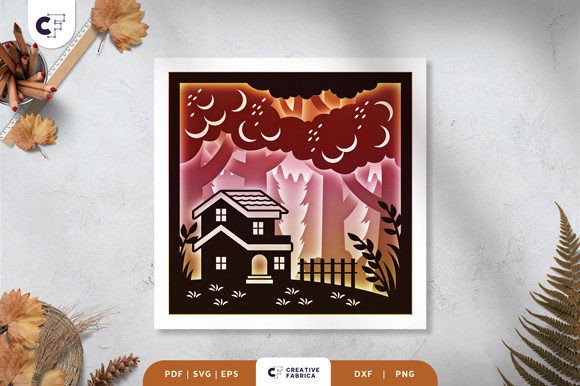
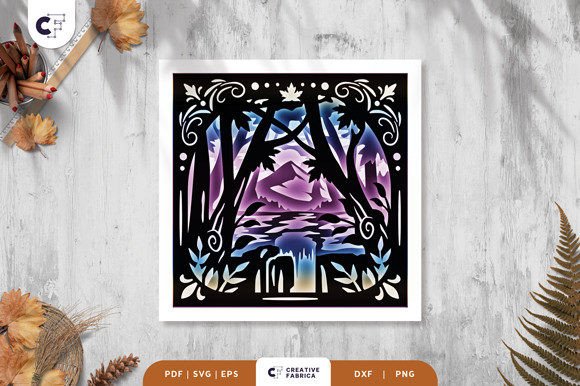
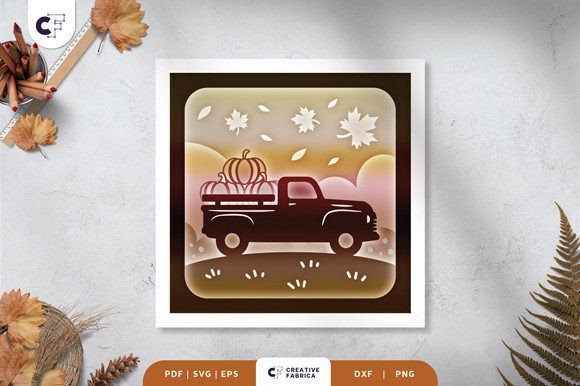
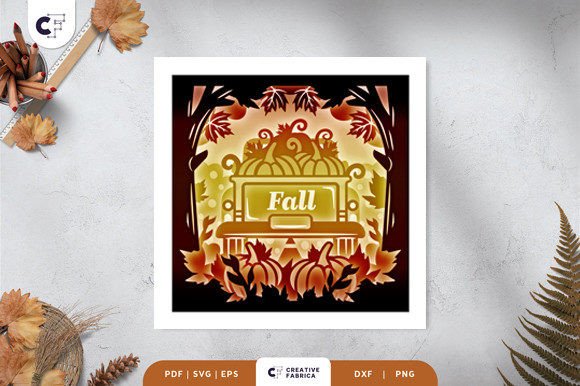
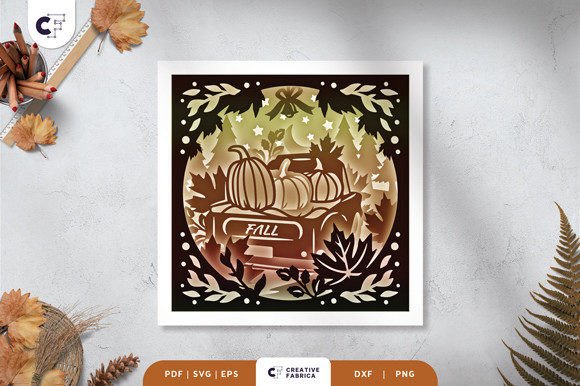
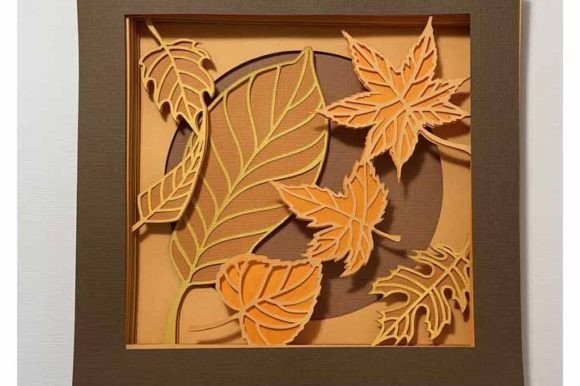
The visual personality of the Fall Leaves Shadow Box is immediately warm and inviting. It captures the essence of autumn without feeling cliché. The layout suggests a composition where leaves are not merely scattered but arranged to create a shadowed effect, implying dimension before a single thread is pulled. For an Etsy seller or boutique owner, this kind of visual weight is crucial. When customers scroll through your shop, they need to see a finished product that looks professional and intentional. This design offers that "crafted" look right out of the gate.
In terms of detail level, the lines are crisp, which is vital when converting a digital file into a physical stitch pattern. The shapes are organic yet structured enough to hold their form during the digitization process. Whether you are planning a sweatshirt embroidery project or a delicate baby embroidery piece, the balance between intricate leaf veins and bold outer edges feels manageable. It avoids the trap of being so detailed that the stitches blur together, a common issue with poorly optimized digital embroidery files.
Real-World Application: From File to Fabric
Let’s talk about a real scenario. Imagine you are preparing a line of premium tote bags for the holiday season. You want something that screams "autumn" but still feels sophisticated enough for a coffee shop or a local bookstore. Using the Fall Leaves Shadow Box as the base for an applique design could be a game-changer. By cutting the leaves from felt or wool and using the template to guide your stitching, you create a raised, tactile surface. The shadow box concept works beautifully here because the layers naturally catch the light, making the tote bag design pop on a shelf.
I also see immense potential for custom apparel. Picture a heavy-weight canvas apron for a fall-themed cooking class or a cozy sweatshirt for a family reunion. The design’s versatility allows it to scale well. If you are creating a personalized gift, perhaps adding a name or date in a complementary font near the leaves, the negative space provided by the arrangement ensures the text remains legible. This is a key consideration for any craft business; the design must support customization without looking cluttered.
For those focusing on smaller items like caps or hats, the challenge lies in the curvature. However, the Fall Leaves Shadow Box is composed of distinct elements. This modularity means you can select specific clusters of leaves that fit within a 4x4 inch hoop size, rather than trying to force the entire composition onto a curved brim. This flexibility makes it a reliable asset for commercial embroidery projects where consistency across different product types is essential.
Navigating Challenges: Where Caution is Needed
While I am impressed by the potential, experienced designers know that no file is perfect for every situation. There are specific contexts where the Fall Leaves Shadow Box requires careful handling. First, consider the fabric texture. On highly textured fabrics like tweed or thick knits, the fine details of the leaves might get lost if the stitch density is too low. You will likely need to increase the fill stitch count to ensure the design stands out against the background weave.
Dark fabrics present another hurdle. The "shadow" effect relies heavily on contrast. If you are embroidering this on black denim or navy wool, you cannot rely on the natural shadow of the fabric. You will need to strategically choose thread colors that provide their own depth, perhaps using a dark green or deep red for the base leaves and a lighter shade for the highlights. Always test the design on scrap fabric first. Seeing how the running stitch and satin stitch interact with dark fibers is the only way to guarantee the final result matches your vision.
Furthermore, stretchy fabrics require a robust stabilizer. Because the 3D SVG nature of this design implies multiple layers or dense areas, the pull of the needle can distort thin materials like jersey knit. Without proper backing, your beautiful leaves could pucker or warp after the first wash. This is particularly important for finished products that need to withstand frequent laundering, such as kitchen towels or baby clothes.
Enhancing Product Value and Brand Trust
Using a high-quality template like the Fall Leaves Shadow Box directly impacts your brand perception. In the world of handmade goods, presentation is everything. A design that looks cohesive and well-thought-out signals to the customer that you care about quality. It transforms a simple item into a collectible piece. When a buyer sees a handmade product with clear definition and thoughtful layering, their trust in your craftsmanship increases, often justifying a higher price point.
This design also aids in maintaining brand consistency. If you run a small shop specializing in seasonal decor, having a signature style—like the layered, shadow-box aesthetic—helps customers recognize your work instantly. It creates a visual language that ties your small shop product line together, whether it’s a pillow cover, a patch, or a holiday ornament. This recognition is invaluable for building a loyal customer base on platforms like Etsy or at local craft fairs.
Practical Notes for the Working Designer
Before you commit to a large production run, I strongly advise running a few tests. Start by reviewing the included PDF instructions thoroughly. Since the download includes formats like SVG, PDF, EPS, PNG, and DXF, you have options for both cutting machines and embroidery software. However, remember that these are templates. You will need to convert them into actual stitch files using your preferred digitizing software.
Check the hoop size requirements early in your planning. If you are working with a standard home machine, ensure the largest element of the design fits comfortably within your frame. Don’t be afraid to break the design down into sections if necessary. Also, inspect the small details in a black and white mockup. Sometimes, color hides issues with line weight or spacing that become obvious in grayscale. Comparing light and dark fabric backgrounds in your mockups will save you hours of re-stitching later.
Finally, always confirm the licensing terms. As a digital product seller or entrepreneur, understanding whether you can sell the finished items or even the design assets themselves is critical. The Fall Leaves Shadow Box comes with detailed instructions, but you must verify if the license covers commercial use for your specific business model. Once you have cleared these hurdles, you are ready to create something truly special.
In conclusion, the Fall Leaves Shadow Box is more than just a seasonal graphic; it is a versatile tool for the serious maker. With its strong visual identity and adaptable structure, it offers a solid foundation for creating memorable embroidered patches, unique holiday gifts, and professional-grade apparel decorations. By approaching it with the right technical preparation and creative vision, you can turn this template into a standout feature of your portfolio.