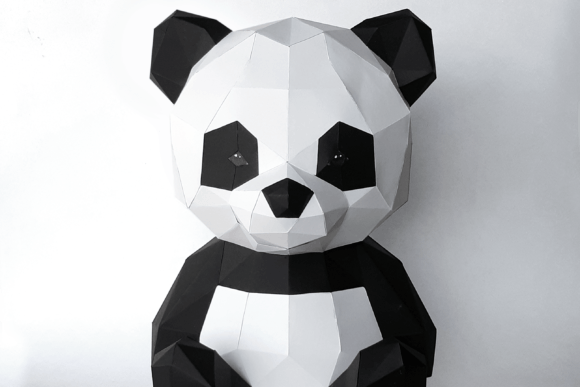
Cute Panda Paper Origami Design Review
As a designer who spends countless hours evaluating machine embroidery design assets for both personal projects and client work, I approach every new file with a critical eye. The market is flooded with generic patterns, but occasionally, a concept stands out for its unique structural potential. Today, I am reviewing the Cute Panda Paper Origami design by PaperProject3D. At first glance, this isn't your standard flat animal motif; it promises to convert 2D templates into a 3D visual experience. For an Etsy seller or a small shop owner looking to differentiate their inventory, this kind of depth is exactly what turns a simple item into a conversation starter.
First Impressions: A Playful Visual Depth
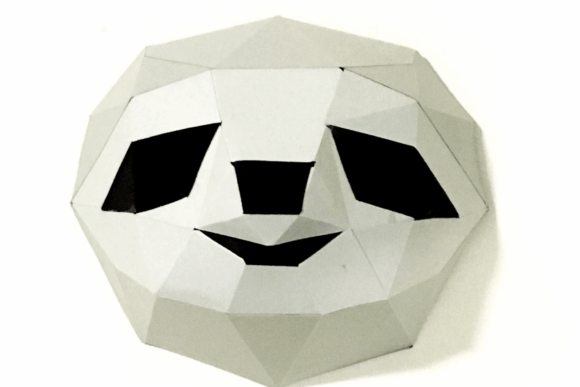
The immediate mood created by Cute Panda Paper Origami is one of playful sophistication. Unlike traditional vector animals that rely on smooth curves and gradients, this design embraces the angular, folded aesthetic of paper art. When viewing the digital embroidery file, you can see how the geometric facets mimic the creases of real origami. This gives the panda a distinct personality—it feels handcrafted even before a single thread is stitched. For the Animals category, this is a refreshing departure from the usual cartoonish bears found in most commercial libraries.
The layout is compact yet detailed enough to hold interest without becoming a nightmare to stitch. The visual weight is balanced perfectly, making it suitable for center placement on various garments. However, as a professional reviewer, my first instinct is always to question how these sharp angles translate from screen to fabric. The promise of a "3D" look relies heavily on the execution of the fill stitch and the precision of the satin stitch borders. If the digitization is clean, the result will be a stunning finished product that pops off the fabric surface.
Real-World Application: From Hoop to Product
Let's imagine a real-life scenario. You are preparing a custom order for a boutique baby shower. The client wants something unique for a gender-neutral nursery set. A standard panda print is too common, but the Cute Panda Paper Origami design offers a modern, architectural twist that fits contemporary decor trends perfectly. Imagine this design embroidered on a high-quality organic cotton tote bag or a soft fleece sweatshirt. The geometric folds catch the light differently than a flat image, adding a tactile dimension that customers love to feel.
I envision using this design for a line of personalized gifts, perhaps as an embroidered patch attached to denim jackets or backpacks. The angular nature of the origami style works exceptionally well on structured items like caps or pillow covers where the fabric holds its shape. For a craft business targeting parents, this design could serve as the centerpiece for a holiday collection. The "cute" factor ensures broad appeal, while the "origami" aspect adds a layer of artistic value that justifies a higher price point for your handmade product.
When considering commercial embroidery, the versatility of this 3D SVG concept is key. It scales reasonably well, meaning you can adapt it for smaller accessories like hair bows or larger statements on aprons and kitchen towels. The design's inherent structure means it doesn't get lost in busy patterns, making it ideal for solid-colored backgrounds where you want the motif to stand out as the hero of the piece.
Navigating Challenges: Fabric and Density Considerations
While the potential is high, practical application requires careful planning. One area where Cute Panda Paper Origami demands attention is the use of stabilizers. Because the design mimics folded paper, it likely utilizes dense fill areas to create those shadowed planes. On thin or stretchy fabrics, such as jersey knit t-shirts, this density can cause puckering if not properly supported. I strongly advise testing the design on scrap fabric first to ensure the stitch density doesn't overwhelm the material.
Textured fabrics also present a challenge. If you attempt this design on a heavy canvas or a napped fabric like velvet, the fine lines defining the "folds" might get lost in the texture. For the best results, stick to medium-weight woven fabrics or tightly knitted materials that provide a stable base. Additionally, when working with dark fabrics, the contrast of the thread colors becomes critical. The lighter tones used to highlight the 3D effect need to be vibrant enough to pop against a black background, so checking your thread colors against the specific garment shade is essential.
Another consideration is the hoop size. While the design appears compact, the intricate details require a steady machine and precise registration. If you are using a small hoop, ensure that the entire design fits comfortably without crowding the edges, which could lead to stitching errors. Curved surfaces, like the front panel of a baseball cap, might distort the straight lines of the origami folds slightly, so a test run on a mockup cap is highly recommended before committing to a full production run.
Design Integrity and Commercial Viability
For the serious apparel decorator or digital product seller, the value of Cute Panda Paper Origami lies in its ability to elevate a basic item into a premium offering. In a saturated market, designs that offer a unique visual language help build brand consistency and customer trust. When a buyer sees a finished tote bag with this intricate panda design, they perceive craftsmanship and thoughtfulness. This perception directly impacts buyer engagement and the likelihood of repeat purchases.
However, before integrating this into your small shop merchandise, you must confirm the licensing terms. As with any design asset, understanding whether you can sell the finished goods or the digital file itself is crucial. Do not assume commercial rights are included; always verify the license to avoid legal issues. Once cleared, this design can be a staple in your portfolio, particularly for seasonal collections or themed events where kids' parties and family gatherings are the focus.
Practical Designer Notes for Success
To get the most out of Cute Panda Paper Origami, follow these practical steps:
- Test on Scrap Fabric: Always run a test stitch to check for alignment and density issues before touching your final product.
- Check Thread Contrast: Ensure the highlights and shadows of the 3D effect are visible against your chosen fabric color.
- Use Proper Stabilizer: Given the geometric detail, a cutaway stabilizer is often better than tear-away for maintaining the shape on stretchy items.
- Review Small Details: Inspect the corners and tight angles under magnification to ensure the machine stitches them cleanly without breaking threads.
- Create Mockups: Test the design in black and white printable mockups to visualize how it looks on different products before selling.
- Verify Licensing: Confirm you have the right to sell items made with this embroidery file for your business.
In conclusion, Cute Panda Paper Origami is a standout option for designers seeking to add a touch of whimsical geometry to their work. It bridges the gap between traditional animal motifs and modern graphic design, offering a fresh take that resonates with today's craft enthusiasts. By respecting the technical requirements of the design and applying it to the right substrates, you can create memorable, high-value products that customers will cherish. Whether for a personalized gift or a commercial collection, this design has the potential to be a true winner in your embroidery toolkit.